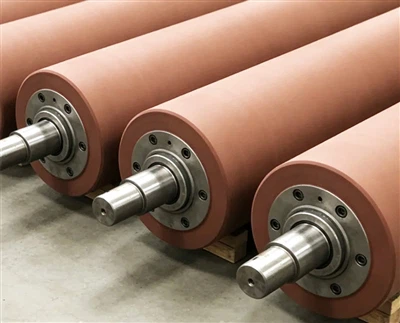
The wear resistance of silicone rollers is a crucial indicator in industrial applications. Silicone material itself possesses moderate hardness and good elasticity. This characteristic allows silicone rollers to effectively disperse pressure and reduce localized wear when in contact with other surfaces and experiencing relative friction, thus exhibiting good wear resistance.
From a technical perspective, the wear resistance of silicone rollers benefits from their surface smoothness. A highly smooth surface reduces the coefficient of friction with the contacting object, thereby reducing the wear rate. Furthermore, silicone material has high chemical stability and is not prone to chemical reactions with common substances, ensuring that silicone rollers maintain good wear resistance under various working environments.
In terms of manufacturing processes, silicone rollers undergo optimized treatments, such as appropriate vulcanization processes, resulting in a denser and more uniform internal structure of the silicone material, further enhancing its wear resistance. This process not only improves the physical properties of the silicone roller but also extends its service life.
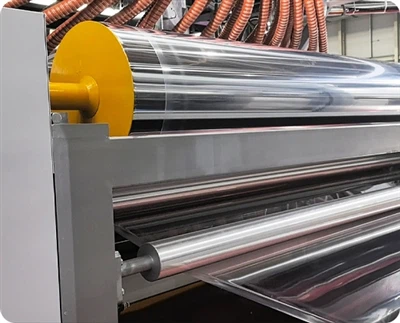
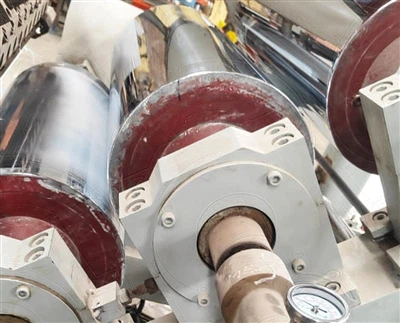
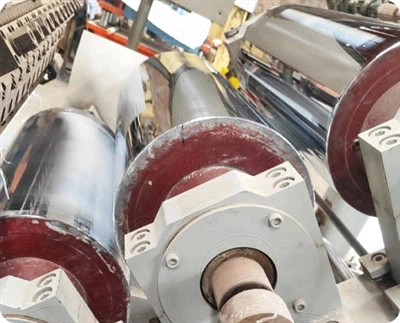
The wear resistance of silicone rollers varies depending on the specific working conditions in actual applications. In applications with low friction, low speed, and relatively mild working environments, such as ordinary paper conveying and simple material handling, silicone rollers can maintain good wear resistance for extended periods and have a long service life. However, under harsh conditions with high loads, high speeds, and high friction coefficients, such as high-intensity printing and extrusion molding, the wear resistance of silicone rollers will be challenged, potentially leading to faster wear.
To improve the wear resistance of silicone rollers under harsh conditions, several measures can be taken. For example, using higher-quality silicone materials, which have higher wear resistance and tear resistance; improving surface treatment processes, such as sandblasting and electroplating, to increase surface roughness and improve the coefficient of friction, thereby enhancing wear resistance; and regularly maintaining and servicing the silicone rollers, and promptly replacing severely worn parts, are also effective ways to extend their service life.
According to industry standards, the wear resistance of silicone rollers is usually evaluated through specific testing methods, such as wear tests and friction coefficient measurements. These testing methods objectively reflect the wear resistance of silicone rollers, providing users with a reference for selection and use.