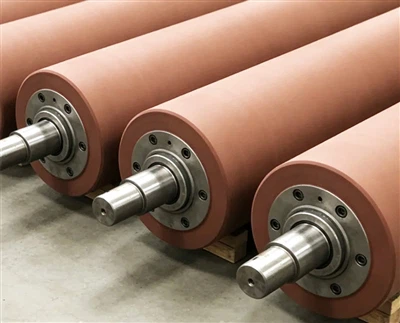
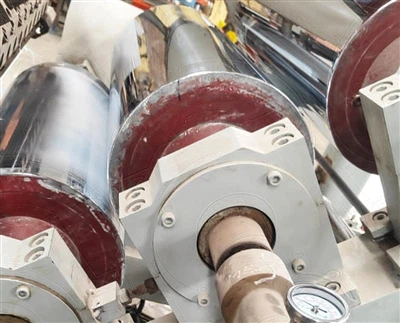
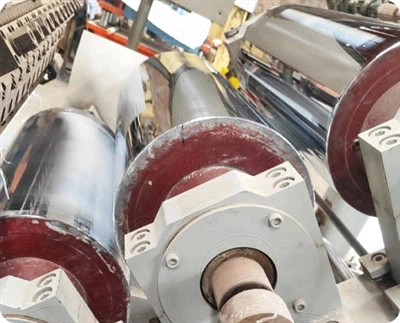
The main specifications of rubber wheels include diameter, width, and load-bearing capacity. These parameters collectively determine the applicable range and performance of the rubber wheel.
Diameter: The diameter of a rubber wheel is its most significant dimensional characteristic, directly determining the size of the vehicle or equipment wheel it can be matched with. Generally, rubber wheel diameters range from 2 inches to 12 inches. Different diameters are suitable for different wheel sizes, so the selection must be based on specific requirements.
Width: The width of a rubber wheel is closely related to its load-bearing capacity. A wider wheel usually has a stronger load-bearing capacity. Rubber wheel widths are generally between 1 inch and 5 inches, and the selection must be based on the load requirements of the equipment.
Load Capacity: Load capacity is one of the most important performance indicators of a rubber wheel, directly affecting its safety and stability during use. The load capacity depends on factors such as the material, structure, and manufacturing process of the rubber wheel. When selecting a rubber wheel, the appropriate load capacity must be chosen based on the actual load requirements of the equipment.