

What is the price range of industrial mirror rollers?
As a supplier of Industrial Mirror Rollers, I often get asked about the price range of these essential components in various industrial processes. Industrial mirror rollers play a crucial role in industries such as printing, packaging, plastics, and textiles, where a smooth and high - quality surface finish is required.
Factors Affecting the Price of Industrial Mirror Rollers
The price of industrial mirror rollers can vary significantly depending on several factors.
1. Size and Dimensions
Larger rollers generally cost more than smaller ones. This is because they require more raw materials and more complex manufacturing processes. For example, a large - diameter mirror roller used in wide - format printing presses will be more expensive than a small - diameter roller used in a compact packaging machine. The length of the roller also impacts the price. Longer rollers need more material and more precise machining to ensure uniform surface quality along the entire length.
2. Material Quality
The type of material used in the roller is a major determinant of its price. High - quality steel alloys, such as stainless steel, are often used for industrial mirror rollers due to their durability, corrosion resistance, and ability to maintain a smooth surface finish. These materials are more expensive than standard carbon steels. Additionally, some specialized applications may require rollers made from exotic materials like titanium or ceramic, which can drive up the cost even further.
3. Surface Finish and Precision
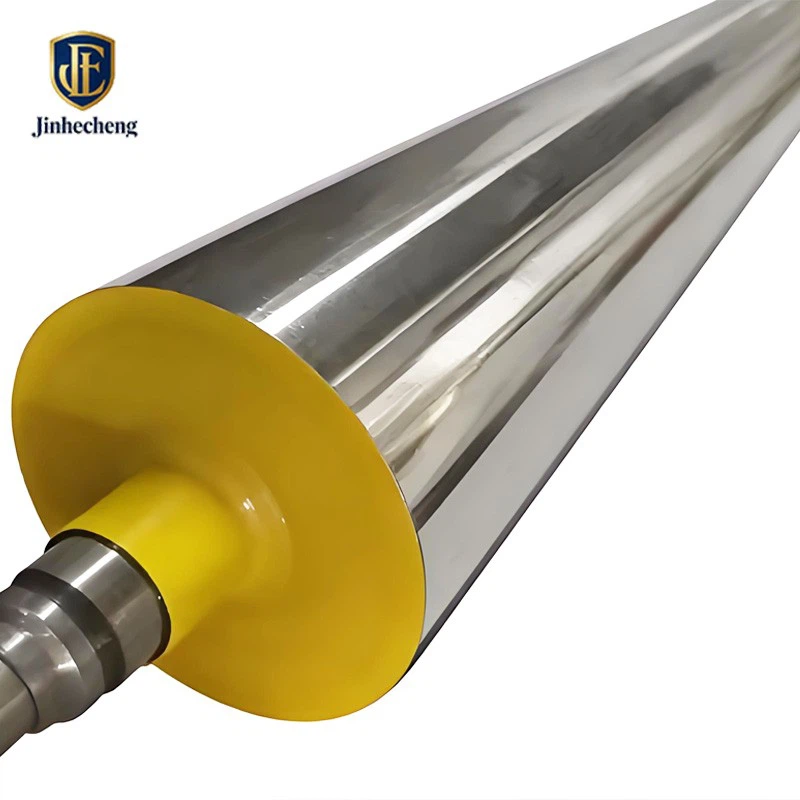
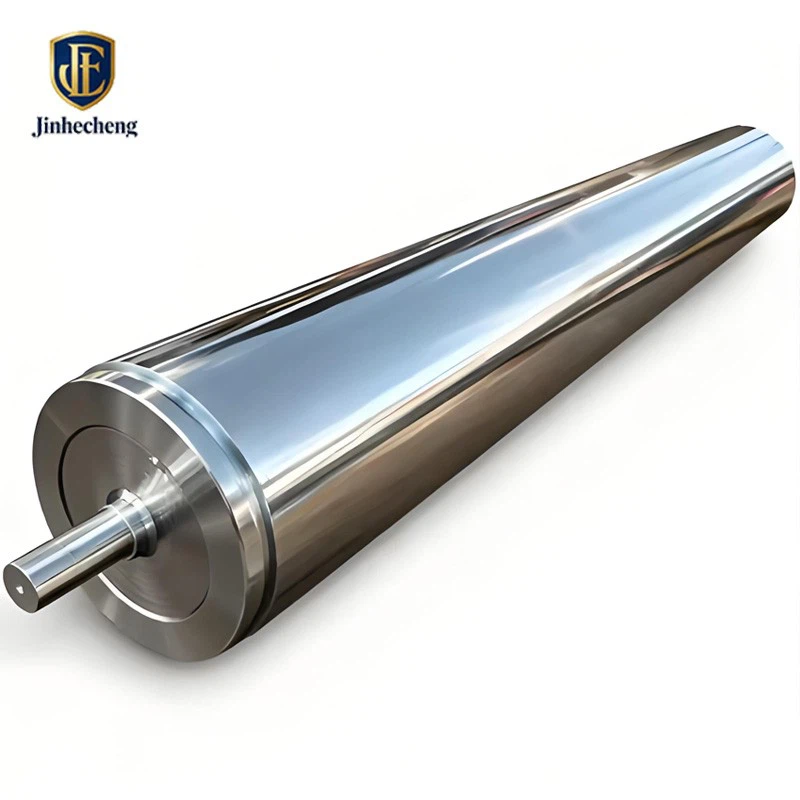
The level of surface finish and precision required for a mirror roller can greatly affect its price. A roller with a high - gloss mirror finish, such as the Mirror Finish Gloss Plating Chrome Roller, demands more precise machining and polishing processes. Achieving a smooth and defect - free surface requires advanced manufacturing techniques and skilled labor, which adds to the cost. The tolerance requirements for the roller's diameter, straightness, and roundness also play a role. Tighter tolerances mean more accurate manufacturing and higher prices.
4. Coating and Plating
Many industrial mirror rollers are coated or plated to enhance their performance and durability. Chrome plating is a common choice as it provides a hard, smooth, and corrosion - resistant surface. The cost of chrome plating depends on the thickness of the plating and the size of the roller. Other coatings, such as ceramic or PTFE, can also be applied, and these can be even more expensive due to the specialized equipment and materials required.
5. Customization
If a customer requires a custom - designed industrial mirror roller, the price will be higher. Customization may involve unique dimensions, special surface treatments, or specific mounting configurations. Designing and manufacturing a custom roller requires additional engineering and production time, which is reflected in the price.
Price Range of Industrial Mirror Rollers
Based on my experience as a supplier, the price range of industrial mirror rollers can be quite broad.
For small - sized, standard - quality rollers made from common materials like carbon steel, the price can start from a few hundred dollars. These rollers are often used in less demanding applications where a basic level of surface finish is sufficient.
Medium - sized rollers with a good surface finish and made from stainless steel can range from $1,000 to $5,000. These rollers are suitable for a wide range of industrial applications, including some printing and packaging processes.
Large - diameter, high - precision rollers with advanced surface finishes and coatings, such as the Industrial Mirror Rollers, can cost anywhere from $5,000 to over $20,000. These rollers are typically used in high - end applications where the quality of the surface finish is critical, such as in the production of high - quality printed materials or precision plastic films.
It's important to note that these are just general price ranges, and the actual price can vary depending on the specific requirements of the customer. For example, a roller with a very tight tolerance or a specialized coating may cost more than the upper end of the range.
How to Choose the Right Industrial Mirror Roller
When choosing an industrial mirror roller, price is just one factor to consider. Here are some other important considerations:
1. Application Requirements
Understand the specific requirements of your application. Consider factors such as the type of material being processed, the required surface finish, and the operating conditions. For example, if you are working with a abrasive material, you may need a roller with a harder surface coating.
2. Quality and Durability
Invest in a high - quality roller that will last. A well - made roller will not only provide a better surface finish but also reduce downtime due to maintenance and replacement. Look for suppliers with a good reputation for quality and reliability.
3. Supplier Support
Choose a supplier that offers good customer support. This includes technical assistance, after - sales service, and the ability to provide replacement parts if needed. A reliable supplier can help you select the right roller for your application and ensure that it performs optimally.
Contact Us for Industrial Mirror Rollers
If you are in the market for industrial mirror rollers, we are here to help. Our company has extensive experience in manufacturing high - quality industrial mirror rollers that meet the diverse needs of our customers. Whether you need a standard roller or a custom - designed solution, we can provide you with the right product at a competitive price.
We understand that every application is unique, and we are committed to working closely with you to understand your requirements and provide the best possible solution. Contact us today to discuss your needs and get a quote for your industrial mirror roller requirements. We look forward to the opportunity to serve you and help you achieve the best results in your industrial processes.
References
- "Industrial Roller Manufacturing Handbook"
- "Surface Finish and Precision in Industrial Applications"
- "Materials for Industrial Rollers: A Comprehensive Guide"


